Archaeological Site Information Sheet
Name: Domus of the Surgeon
Era: 2nd century AD
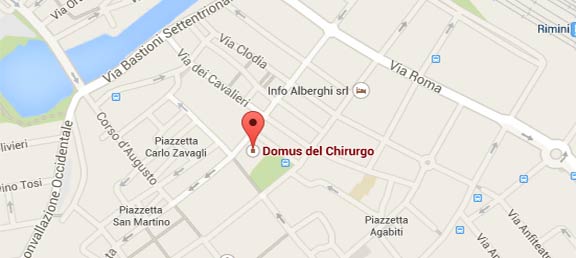
Location: Rimini - Piazza Luigi Ferrari
Area: Historic center of Rimini (RN)
Parking: few, for a fee
Contacts: 0541.793851 - musei@comune.rimini.it
Discovery: 1989, during excavations for urban maintenance works
Works: 1989-2007
Size: 700 m²
Duration of visit: 60 minutes
Reviews: 4.5 out of 5 with over 2000 opinions on Google Maps and Tripadvisor
Tickets: ticketlandia.com - Rimini Musei
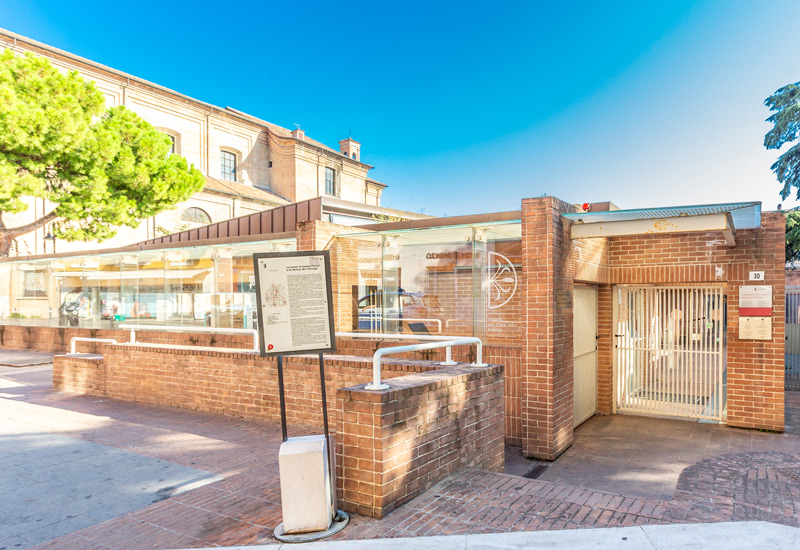
Brief history
The area extends over 700 m², includes several buildings, of which the most interesting is the so-called Domus of the Surgeon. These are the remains of an ancient Roman domus dating back to the 2nd century AD.
The excavations, started in 1989 and opened to the public in 2007, have also brought to light other significant structures: remains of a late imperial dwelling, traces of an early medieval settlement with a large underlying cemetery that highlight a remarkable historical stratification.
The large number of findings, mosaics, and frescoes found inside: well-preserved, have allowed a faithful reconstruction of the house and the identity of the owner, as well as shedding light on a fascinating history of Rimini's past.
Why is it called the "Domus of the Surgeon"?
The most exceptional find at the site is a collection of about 150 surgical instruments that left no doubt about the identity of the homeowner: a doctor. It seems that Eutyches, his name, came from Hellenic environments and, as often happened in antiquity, had then trained on the battlefields. Indeed, the instruments found were used mainly for bone traumas and wounds, suggesting that Eutyches was a military doctor.
The Domus Story in Video
Mosaics and Frescoes
Frescoes and mosaics have emerged from the excavations. These findings testify to the high rank of the homeowner. The mosaic floors can still be admired in the domus, while other mosaics are preserved in the archaeological section of the City Museum. Here you can find the opening hours to visit the museum.
Artifacts
The exceptional collection of surgical instruments found in the domus left no doubt about the profession of the homeowner. The instruments were largely used for interventions on bone traumas and war wounds. Discover all the objects found in the Domus
The Surgeon
The owner of the Domus was a military doctor specialized in surgery who came from the East and was probably called Eutyches. His story is exciting and unique in the archaeological landscape of Northern Italy.
Tomb
The domus was destroyed by a fire. Around the VI-VII century, the area was used as a cemetery, perhaps connected to a nearby Christian religious building. Visiting the archaeological complex allows you to see the remains of this cemetery.
 Condividi su Whatsapp!
DOMUS DEL CHIRURGO
Piazza Ferrari - 47921 - Rimini
tel. 0541 793 851 - musei@comune.rimini.it